
How to choose a desk lamp for studying
How to choose a desk lamp for studying: warm or cool light, an adjustable arm, where to place it and a simple check for glare, for a small dorm desk.
Lucas Bernard5 min read
Get a lamp with a movable arm and a way to change brightness. Put it so the light falls on your page without shining in your eyes. That is most of what matters. Everything else is detail.
A good lamp helps long study sessions feel less tiring. Here is how to pick one without overpaying.
What to look for
- Adjustable arm or neck. You can aim the light at the page. A fixed lamp lights the wrong spot half the time.
- Dimmer or several brightness levels. You need more light at night than at midday.
- Small base or a clamp. A small dorm desk has no space for a wide base. A clamp saves desk space.
- Cool-running light. LED lamps tend to stay cooler than older bulbs, which matters in a hot room.
- Cord length that reaches the plug. Measure your desk to the socket.
Ruling: arm, dimmer, small footprint. If a lamp has those three, it is fine.
Warm light or cool light
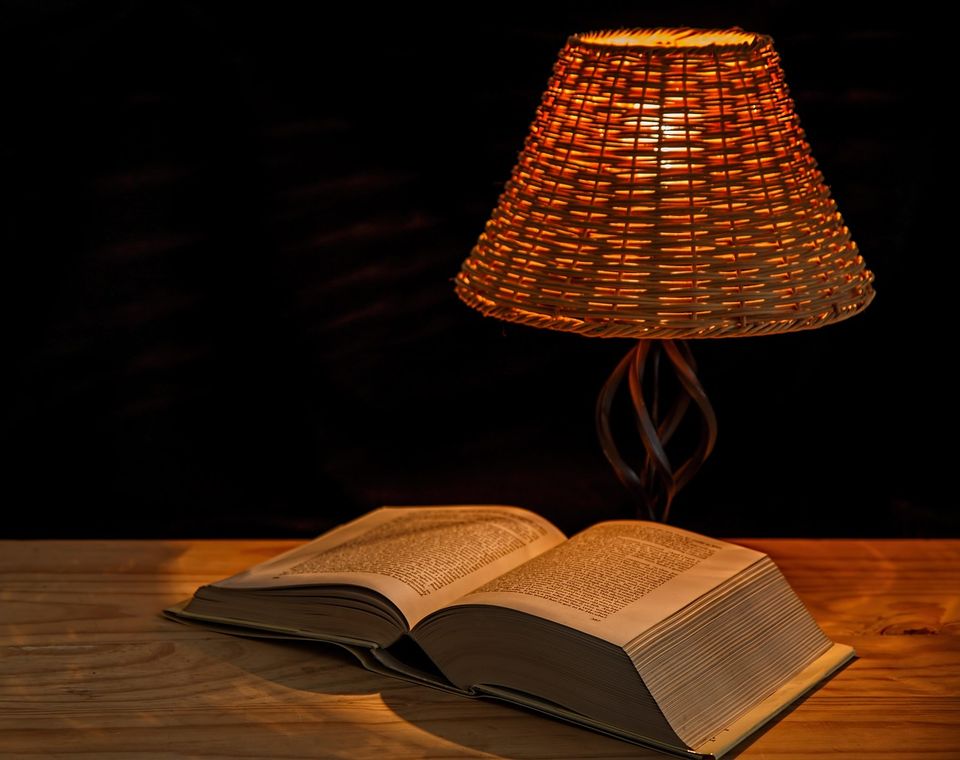
Light color is measured in a unit called kelvin, written K. Lower numbers are warm and yellow. Higher numbers are cool and blue.
- Warm light (about 2700 K). Relaxing for evenings. Not the best for reading small print.
- Neutral white (about 4000 K). A good middle for reading and writing.
- Cool white (5000 K and above). Crisp and bright, but can feel harsh at night.
For studying, neutral white is a safe pick. If a lamp offers a setting for warm and cool, use cooler during work and warmer when you wind down.
Where to put it
Place the lamp on the side opposite your writing hand. If you write with your right hand, put it on the left. That way your hand does not cast a shadow on the page.
Angle it so you do not see the bulb directly. If you see a shiny patch on your paper or screen, move the lamp. This is glare, and it makes reading harder.
If you use a laptop, a lamp still helps. It lights your notebook and reduces the contrast between a bright screen and a dark room. See a study desk setup that works in a small room for placing everything on one desk.
Check your housing rules
Some dorms limit the type of lamp, the wattage or the cord setup. Most allow a small LED desk lamp, but check the handbook. Do not use extension cords that are not allowed. For wider thoughts on room lighting, read best lighting for a dorm room.
A worked example in AED
Planning numbers only. Say you give lighting AED 100.
| Item | Example in AED |
|---|---|
| Adjustable LED lamp | 60 to 100 |
| Spare bulb if needed | 10 to 20 |
Spend the money on the arm and the dimmer, not on extras like a speaker or a wireless charger built into the base. Cost per use is excellent for a lamp you use daily. At an example AED 80, used 5 nights a week for 30 weeks, it is about AED 0.50 a night.
When the answer flips
If you only study in the library, skip the lamp. If your room has bright, even light already and you study in the daytime, a basic lamp is enough. If you read in bed, a clip-on reading light that points down, not into your roommate's eyes, is better than a full desk lamp.
Common mistakes
- Buying a very bright lamp and using it at full power in a dark room. High contrast tires eyes.
- Putting the lamp in front of you, so the bulb shines straight at you.
- Choosing the prettiest lamp with a short neck that does not reach the page.
- Forgetting to turn it off. Heat adds up in a small room.
Eye comfort
Take short breaks. A common habit is to look at something far away every so often. If you have headaches, blurry sight or sore eyes, see an eye doctor, since a lamp does not replace an eye check.
A quick glare check
Before you settle, do this test. Sit at the desk with your notebook open. Turn on the lamp. Move your head left and right. If you see a bright shiny patch on the page that moves with you, the lamp is too close to straight overhead. Move it to the side or tilt the head down.
Do the same with your laptop screen. If the lamp reflects off the screen, angle it away. A small change often fixes eye strain, and costs nothing.
Cords and tidiness
A messy cord is a trip risk and looks untidy. Use a small clip or tie to keep it along the desk edge. Keep it away from water bottles and drinks. Unplug the lamp when you leave for a long weekend.
Skip this term
- A lamp with built-in speakers or lights that change color
- A tall floor lamp in a small room
- Multiple lamps before you have tried one
Quick questions
What color light is best for studying?
Neutral white is a good all-round choice. Warm light is better for relaxing in the evening.
Do I need a desk lamp if my room has an overhead light?
Often yes. Overhead lights can be dim or cast shadows on your desk. A lamp lights the page directly.
Where should I place a desk lamp?
On the side opposite your writing hand, angled so you do not see the bulb.
Is a clamp lamp better for a small desk?
Usually. It uses no desk space. Check that your desk edge is thin enough for the clamp.
More to read
Keep reading

Paper planner vs phone planner for students
Paper planner vs phone planner for students: which one helps you finish work on time, plus a simple hybrid that costs almost nothing to start.
Lucas Bernard4 min read
Backpack vs tote vs crossbody for campus
Which bag suits campus life: a backpack, a tote or a crossbody? A quick verdict, a comparison table and who each one is best for on a normal day.
Lucas Bernard2 min read

How to choose a laptop for college without overspending
How to choose a laptop for college without overspending: check course needs, memory, storage and battery, and know where to save and where not to.
Nour Haddadi5 min read

How to study in a noisy dorm room
How to study in a noisy dorm room: use headphones or earplugs, move to a quiet space, agree quiet hours and pick the cheapest fix first.
Nour Haddadi2 min read
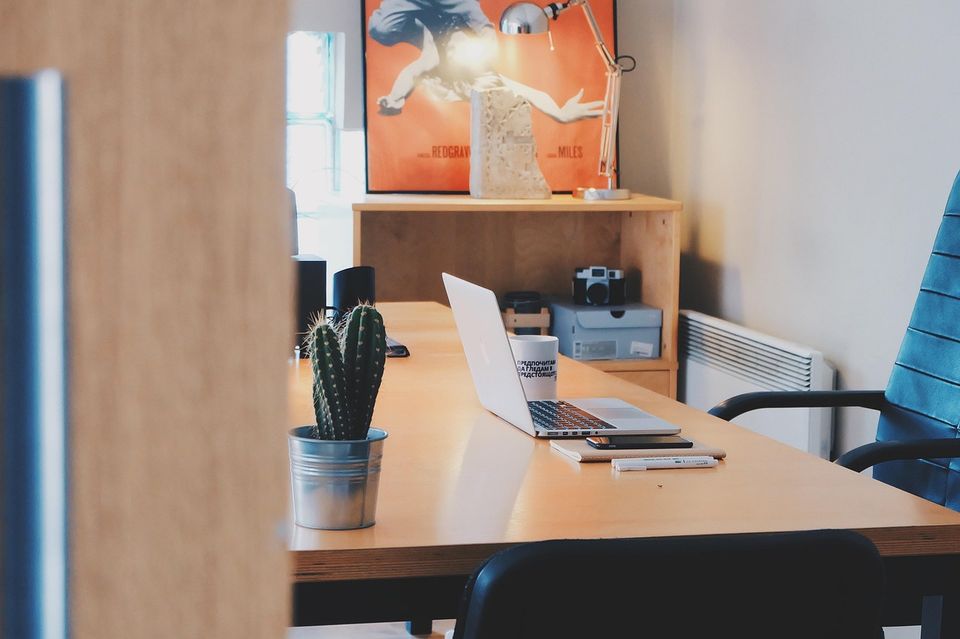
A study desk setup that works in a small room
How to set up a small study desk in a dorm or shared room: light, seat, screen height, cable order, the first-hour plan and what to skip.
Lucas Bernard4 min read

How to choose a backpack for college
How to choose a backpack for college: check laptop fit, strap padding, zips and weight, and know when a cheap bag is enough for a full term.
Lucas Bernard6 min read