
How to choose headphones for studying
How to choose headphones for studying: over-ear, earbuds or noise cancelling, what suits a noisy dorm and how to protect your hearing at a safe volume.
Lucas Bernard5 min read

Match the headphones to the room. A noisy dorm needs over-ear headphones that block sound. A quiet library needs something light and cheap. A commute needs something that fits in a pocket. There is no single best pair, but there is a best pair for where you study.
Ear safety matters too. Loud sound for long periods can harm hearing, so volume and breaks are part of the choice. More on that below.
Over-ear, on-ear or earbuds
| Type | Good for | Watch out for |
|---|---|---|
| Over-ear | Noisy dorms, long sessions | Warm in a hot climate, bulky in a bag |
| On-ear | Light carry, short sessions | Press on ears, leak sound |
| Earbuds | Library, travel, quick use | Easy to lose, can be uncomfortable for hours |
In a hot city, over-ear cups can feel warm after an hour. If you walk a lot outdoors, earbuds are more comfortable. For long indoor study in a cool room, over-ear is fine.
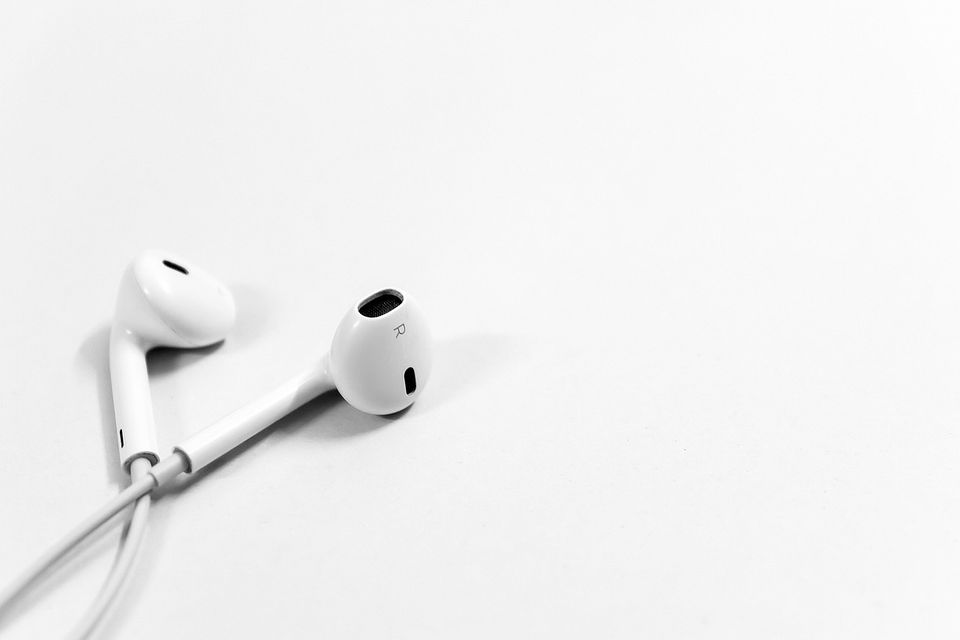
Noise cancelling or not
Noise cancelling means the headphones listen to the sound around you and cancel part of it. It works best on steady low sounds, like a fan or an air conditioner. It works less well on voices and sudden bangs.
If your room is mostly a hum, it helps. If your problem is a loud roommate or hall noise, it helps some, but not fully. Read how to study in a noisy dorm room for other fixes, including a quiet-hours chat.
A cheaper route is a plain pair of headphones plus a steady sound, such as soft music without lyrics. Words in songs compete with the words you read.
Wired or wireless
- Wired: no charging, no pairing, often cheaper. You need a port or an adapter on your device.
- Wireless: no cable to catch. They need charging, and the battery fades over time.
For a student on a small budget, a wired pair as a backup is a smart buy. It always works the day before an exam, when the wireless pair is flat.
Comfort checklist
Before you keep a pair, check these:
- Do they sit without pressing on your glasses?
- Can you wear them for an hour without discomfort?
- Is the microphone clear on a call?
- Do they fit in your bag? See how to choose a backpack for college for space.
Protect your hearing
Loud sound over time can damage hearing, and the damage does not come back. The World Health Organization gives general advice on safe listening, such as keeping volume moderate and giving your ears breaks. A simple habit is to keep the volume at about the level where you can still hear someone talk near you. If you get ringing in your ears or find sounds muffled after listening, stop and see a doctor.
This is general information, not medical advice. For anything about your own hearing, ask a doctor or audiologist.
A worked example in AED
Planning numbers only. Say you give headphones AED 200.
| Choice | Example in AED |
|---|---|
| Wired earbuds as backup | 20 to 40 |
| Mid-range over-ear headphones | 150 to 250 |
| Foam earplugs | 10 to 20 |
If the budget is tight, earplugs and wired earbuds together cost very little and cover most needs. Add over-ear headphones later if you find you use them daily. Apply the 30-wear test to be sure.
Where the answer flips
If your dorm is quiet and you study at the library, spend less. If you study in a loud shared room every night, spend more on comfort and noise cancelling, since you will wear them for hours.
Common mistakes
- Buying the loudest-sounding pair. Clear is better than loud.
- Studying with music at high volume for hours.
- Skipping the fit check in a shop or the return policy online.
- Forgetting that headphones need a place to hang. A hook solves it, see adhesive hooks vs over-door hooks.
Care and storage
Headphones last longer with simple habits. Do not coil the cable tightly around the device. Keep them in a case or a bag pocket, not loose under heavy books. Wipe ear pads with a slightly damp cloth now and then, since heat and sweat build up in a warm climate. If ear pads crack, many makers sell replacements.
Sharing and manners
If you share a room, headphones are polite. Use them when your roommate sleeps or studies. If you need to hear a call, tell them first. A quiet room works for both of you, as the notes on having the roommate talk in week one explain.
Skip this term
- Top-of-range headphones before you know your habits
- A second wireless pair
- Novelty colours that you will not wear
Quick questions
Are noise cancelling headphones worth it for studying?
They help with steady background noise like fans. They help less with voices. If your room is very noisy, they can be worth it.
Is it safe to listen to music while studying?
In general, yes at a moderate volume. Music without lyrics tends to distract less. Take breaks to rest your ears.
Wired or wireless for students?
Wired is cheaper and never runs flat. Wireless is easier to move in. Having one of each is a good setup.
What volume is safe?
A common rule is to keep it low enough to hear people near you. Follow official health advice for details.
More to read
Keep reading

Paper planner vs phone planner for students
Paper planner vs phone planner for students: which one helps you finish work on time, plus a simple hybrid that costs almost nothing to start.
Lucas Bernard4 min read

Backpack vs tote vs crossbody for campus
Which bag suits campus life: a backpack, a tote or a crossbody? A quick verdict, a comparison table and who each one is best for on a normal day.
Lucas Bernard2 min read

How to choose a laptop for college without overspending
How to choose a laptop for college without overspending: check course needs, memory, storage and battery, and know where to save and where not to.
Nour Haddadi5 min read

How to study in a noisy dorm room
How to study in a noisy dorm room: use headphones or earplugs, move to a quiet space, agree quiet hours and pick the cheapest fix first.
Nour Haddadi2 min read

A study desk setup that works in a small room
How to set up a small study desk in a dorm or shared room: light, seat, screen height, cable order, the first-hour plan and what to skip.
Lucas Bernard4 min read

How to choose a backpack for college
How to choose a backpack for college: check laptop fit, strap padding, zips and weight, and know when a cheap bag is enough for a full term.
Lucas Bernard6 min read