
How to save money on back-to-school shopping
How to save money on back-to-school shopping: take stock, wait a week, borrow or buy used and set a cap per bucket, with a simple AED example.
Nour Haddadi5 min read
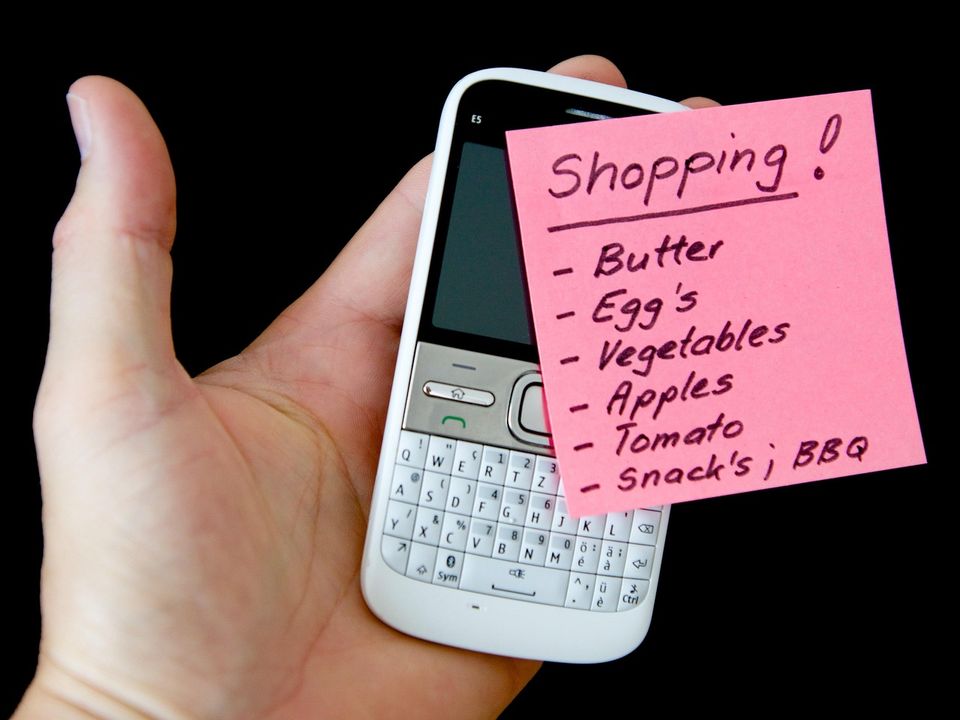
Start by counting what you already own. Most students can cut their shopping list by a third just by looking in a drawer. Then set a cap, wait a week on anything uncertain and buy used where it makes sense.
The goal is not to spend nothing. It is to spend on things you will really use, and keep a little back for what you did not predict.
Step one: take stock
Open your cupboards, your old school bag and the drawer with the cables. Make a list of what still works.
- Pens, notebooks, folders
- Chargers, headphones, a calculator
- Bags and shoes that still fit
- Anything a sibling or friend is not using
If you already have it and it works, cross it off. This sounds obvious, but it is the step that saves the most.
Step two: set a cap per bucket
Use the same four buckets as the term budget plan: dorm basics, clothes and shoes, tech and study gear, and a reserve.
Here is an example in AED, with a round total of 1,000. These are planning numbers only.
| Bucket | Share | Example in AED |
|---|---|---|
| Dorm basics | 30 percent | 300 |
| Clothes and shoes | 25 percent | 250 |
| Tech and study gear | 30 percent | 300 |
| Reserve | 15 percent | 150 |
When a bucket is empty, you stop buying in it. Move money between buckets only on purpose, not by accident.
Step three: wait a week on uncertain buys
If you are not sure you need something, write it on your list and wait seven days. Most impulse wants fade. The ones that stay are the real ones. This is the same thinking as the 30-wear test, applied to the whole list.
Step four: buy used or borrow where it is safe
Some things are fine used. Some are not.
- Good used: textbooks, furniture, a desk lamp, clothes. See is secondhand clothing worth it and buy vs rent vs borrow textbooks.
- Better new: a mattress protector, anything that is touched by skin and hard to clean, and any electrical item without a known history.
If you buy used electronics, check that they power on and charge, and ask for a receipt or a clear return rule.
Step five: share costs with a roommate
Things you share, like a kettle where allowed, a rug or a small fan, can be split. Agree who owns it and who keeps it at the end of the year. The note on who pays for shared things with a roommate covers how to do it without awkwardness.
What to cut first
If your total is too high, cut in this order:
- Decor and extras
- A second pair of anything
- Clothes you cannot picture with two other pieces
- New versions of things that work
Keep study gear and basics last. They are what the term depends on.
Where the answer flips
If a sale is on something you already planned to buy, and you have the cap for it, buy it. A sale on something you did not plan is not a saving, it is a purchase. And if an item is a safety need, such as a working charger for your laptop, do not wait to find the lowest option.
Common mistakes
- Shopping without a list
- Buying in bundles with items you do not need
- Forgetting the reserve
- Counting a sale price as money saved, when you would not have bought it at all
A simple order for buying
Buy in this order so the early spending is the useful kind.
- Week one: bed basics, a bag, pens and one notebook per class.
- Week two: study gear that classes ask for, like a calculator or a lab item.
- Week three: storage and anything you now know your room needs.
- Week four on: clothes gaps and extras, if the cap allows.
This is the same idea as the back-to-school shopping list by week: spread the spending out so you can fix mistakes before they cost you.
Track what you spend
Keep a short note on your phone with the date, the item and the amount. At the end of each week, add it up and compare it to the cap. If a bucket is nearly empty, stop. It takes one minute and prevents the late-term surprise where you find your reserve is gone.
Returns are part of saving
Before you buy, check the return rules. If you buy something online that does not fit or does not work, a clear return window saves you. Keep the packaging and the receipt until you are sure you will keep the item.
Skip this term
- Matching sets of anything
- A second bag
- Gadgets with no clear job
Quick questions
What is the best time to buy school supplies?
Buy a small set early and the rest after you see your class lists. That avoids doubles.
How much should a student spend on back-to-school?
It depends on your situation. Set a total you can afford, split it into buckets and keep about 15 percent in reserve.
Is it okay to buy used items for school?
Yes for books, furniture and clothes. Be more careful with electronics and anything that touches skin.
How do I stop impulse buying?
Use a list and wait a week on anything not on it.
More to read
Keep reading

A parent's guide to a back-to-school budget talk
How parents can set a back-to-school budget with a student: agree a total, split it into four buckets and keep a reserve so nobody argues later.
Nour Haddadi2 min read

Laptop vs tablet for college notes
Laptop vs tablet for college notes: which suits typing, handwriting and a tight budget, and when a cheap tablet plus keyboard is not enough.
Lucas Bernard4 min read

A back-to-school budget that survives the term
Split your term budget across dorm, clothes, study gear and a reserve, with an AED example, what to cut first and a rule for every purchase.
Lucas Bernard4 min read

Buy vs rent vs borrow textbooks: which is cheaper?
Buy vs rent vs borrow textbooks for college: a simple rule for when each is cheaper, plus checks on editions, access codes and the library.
Lucas Bernard4 min read
Back to school shopping list: what to buy and when
A back to school shopping list in three stages: buy before term, buy in week one, and wait until week four, so your budget does not run out early.
Nour Haddadi5 min read

Stop shopping for the student you want to be
An opinion on why back-to-school lists fill up with things for an imaginary tidy, early-rising student, and how to shop for the one who turns up.
Lucas Bernard4 min read