
Build a campus wardrobe on a small budget
How to build a campus wardrobe on a small budget: pick a colour base, buy in a set order, use cost per wear and avoid the pieces that sit unworn.
Lucas Bernard5 min read
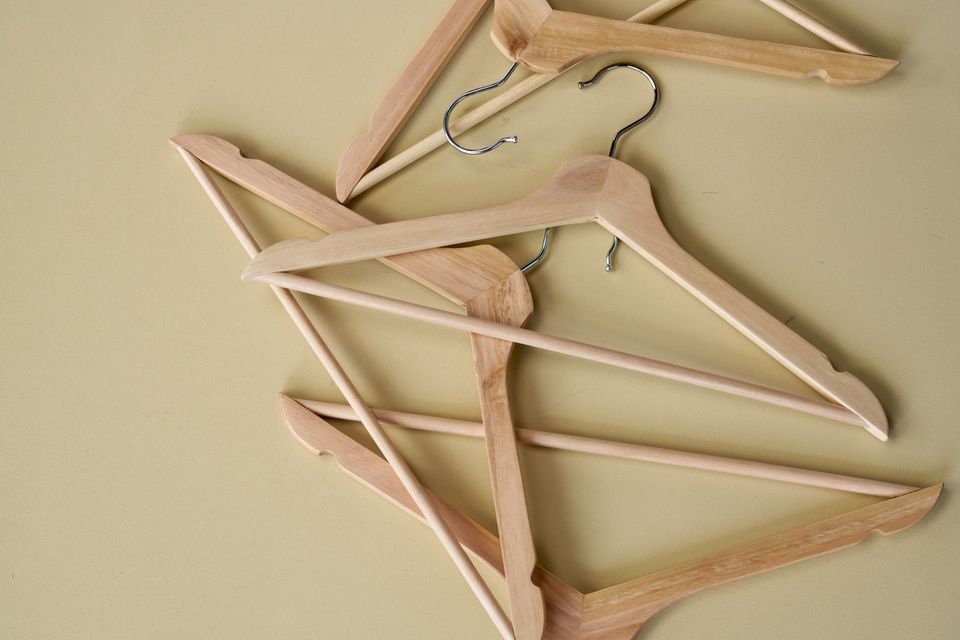
Buy in this order: shoe, two tops, two bottoms, one light layer, one bag. Keep to two or three colours, and every piece will go with at least two others. That is a campus wardrobe, and it fits a small budget.
Honestly, most of us do the opposite. We buy a statement piece first, then spend weeks hunting for something to wear with it.
Pick the colour base first
Choose two or three colours that go together. Navy, white and a tan or olive is a safe set. One accent colour is fine, but only one.
Why it works: when everything matches, every top goes with every bottom. Seven pieces make a lot of outfits. This is the same idea as the capsule of 7 in the first-week campus outfit edit.

Ruling: choose the colours before you open a shopping app.
The buying order
- Walking shoe. You will walk more than you expect. Spend the most here.
- Two tops in a fabric that breathes. Cotton or linen blends are common in heat.
- Two bottoms. Check the dress code first. Relaxed fits are cooler than tight ones.
- A light layer. Lecture halls are often cold. A thin overshirt or cardigan is enough.
- A bag. See backpack vs tote vs crossbody.
Stop at seven. Add more only after you know what is missing.
Cost per wear, with round numbers
Cost per wear is price divided by wears. Here are examples, not quotes.
| Piece | Example price | Wears in a term | Cost per wear |
|---|---|---|---|
| Walking shoe | AED 200 | 80 | about AED 2.50 |
| Plain tee | AED 40 | 30 | about AED 1.30 |
| Statement jacket | AED 250 | 5 | AED 50 |
In a hot city, heavy pieces get few wears, so they score badly. Plain pieces win almost every time.
Where to spend and where to save
Spend a little more on things that touch the ground or take a beating: shoes and bags. Save on tees and basic tops, which are easy to find at any price. Look at secondhand too, as in is secondhand clothing worth it for campus.

Check the rules
Dress codes and uniforms come first. If your school wears a uniform, spend on shoes, a bag and a good casual outfit for weekends. Do not buy for rules that do not apply to you.
Common mistakes
- Buying a piece for a night out you may never have.
- Buying three versions of the same top in slightly different colours.
- Skipping the shoe and spending on accessories.
- Buying heavy layers for a place with air conditioning and sun.
When to add more
After one week, write down what you wished you had. If the same gap comes up twice, fill it with one piece. Then run it through the 30-wear test. If it fails, wait.
A weekly rotation from seven pieces
Here is how seven pieces turn into a week. These are examples, so swap in your own colours.
- Day 1: white tee, tan trousers, sneakers
- Day 2: navy shirt open over the white tee, navy bottoms
- Day 3: navy tee, tan trousers, light layer in the bag
- Day 4: white tee, navy bottoms, sneakers
- Day 5: the shirt closed, tan trousers
Nobody keeps track of what you wore on Tuesday. People notice if you look comfortable and put together, not whether the outfit is new. If you worry about repeating outfits, change one small thing, like rolling the sleeves or swapping the bag.
Washing and care keep a small wardrobe going
A small wardrobe is washed more often, so it needs to survive that. Follow the label, wash in cold water and avoid the dryer for tees if you can. A top that shrinks in week three is a wasted purchase. The laundry routine guide covers a simple weekly plan.
Ruling: buy fabric that can be washed weekly, and wash it gently.
Budget by piece
If you must trim the plan, cut in this order: the second bottom, the bag (use what you have), then one top. Keep the shoe. A wardrobe with a good shoe and three plain pieces is better than one with six pieces and sore feet.
Where the answer flips
If your school has a uniform, the capsule shrinks to shoes, a bag and a few weekend pieces, so put more of the budget into the shoe. If you live in a mild climate, a light jacket earns its place. If you attend evening events, add one smarter piece, such as a plain shirt, rather than a whole second wardrobe. And if you do not enjoy shopping, a ready-made set of basics from one place is faster than hunting for each piece.
Skip this term
- Trend pieces. See why trending pieces age so fast.
- A second pair of shoes before the first has proven itself.
- Anything you cannot pair with two things you already own.
Quick questions
How many clothes does a college student need?
Seven well-chosen pieces cover a first week. Many students then add a few over the term. More than about fifteen starts to be hard to use.
What colours should I buy for a campus wardrobe?
Two or three that go together, like navy, white and tan. Add one accent only if you want it.
Should I buy clothes before the term starts?
Buy the shoe and a few basics. Wait on the rest until you see what others wear and what the weather does.
How much should I spend on clothes?
Decide your clothes share of the term budget first. The term budget plan shows one way to split it.
More to read
Keep reading
Why trending pieces age so fast
An opinion on why trend pieces lose their appeal within weeks, and what to buy instead for a campus wardrobe that you will still wear in a month.
Nour Haddadi2 min read
Is secondhand clothing worth it for campus?
Is secondhand clothing worth it for campus? Yes for shirts, jackets and bags, less so for shoes and underwear. Here is how to check quality fast.
Nour Haddadi3 min read

Sandals vs sneakers for campus walking
Sandals vs sneakers for campus walking in hot weather: which suits long days, school rules and cost per wear, with a simple table and a pick-this-if list.
Lucas Bernard4 min read

Does it pass the 30-wear test?
A one-minute question to ask before buying any campus outfit piece, with a cost per wear example for a hot climate and when to skip the test.
Nour Haddadi2 min read

What to wear in a freezing lecture hall
What to wear in a freezing lecture hall when it is hot outside: one thin layer that packs small beats a heavy jacket you carry around all day.
Nour Haddadi2 min read
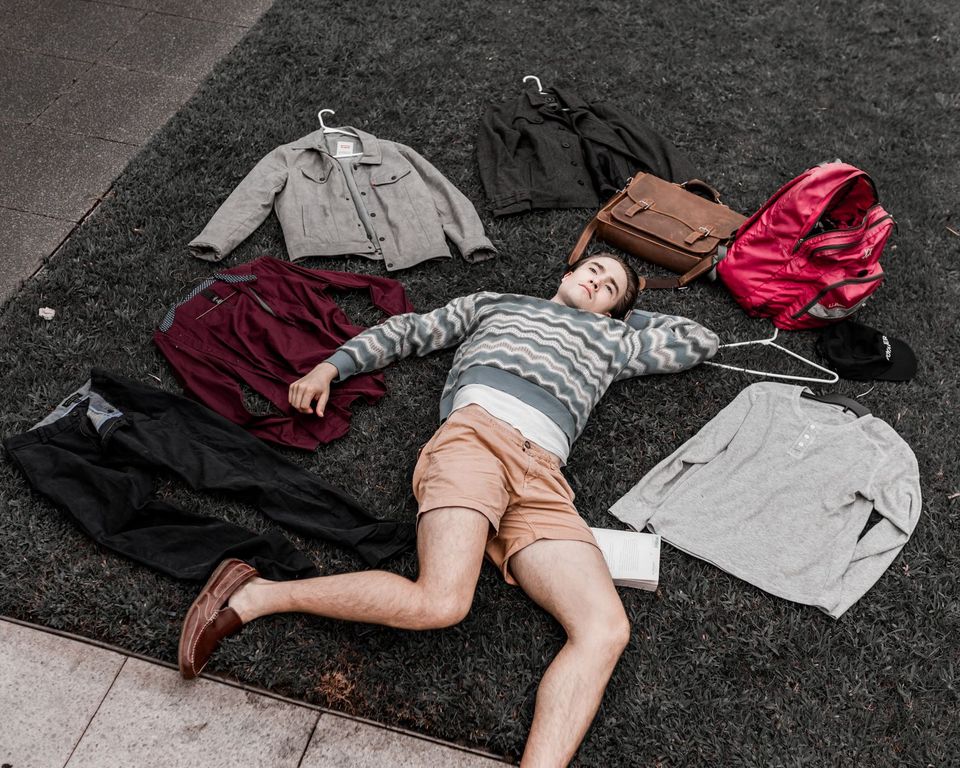
First-week campus outfit edit for a hot climate
A capsule of 7 for your first week on a hot campus, with an AED budget range, a cost per wear check, a dress code reminder and a skip list.
Nour Haddadi3 min read