
Spend on shoes, save on tees
An opinion on why campus shoes deserve the bigger share of a clothing budget while basic tees can stay cheap, with a simple cost per wear example in AED.
Lucas Bernard4 min read
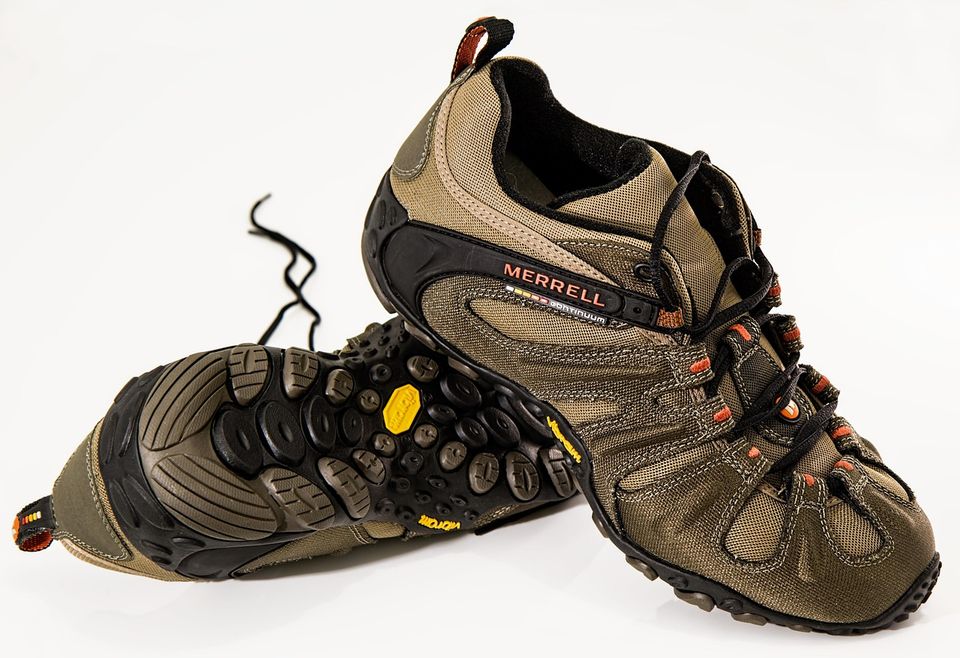
If you have to split a small clothing budget, put more into shoes and less into tees. That is the whole argument, and it holds up better than most style advice.
Here is why. Your feet are the one part of your outfit that does work. They carry you across campus, up stairs, through car parks and into queues. A top just hangs there. When a top is a little cheap, the cost is small. When a shoe is cheap and wrong, you feel it all day.
The wear count is lopsided
Think about a week. You might wear four or five different tops and the same one or two pairs of shoes. The shoes are worn far more often than any single tee.
That makes the cost per wear math very clear. Use round example numbers: a tee at AED 30 worn 40 times is under AED 1 a wear. A pair of shoes at AED 200 worn 200 times is exactly AED 1 a wear. The shoes cost more, and they are not more expensive to wear. The cheap shoes at AED 60 that fall apart after 40 wears cost AED 1.50 a wear and hurt your feet. That is the trap. Cheap is not always low cost.
Where tees are fine cheap
A plain tee is a plain tee. In heat it gets sweaty, it gets washed often and it fades. Nobody notices the label. A decent cotton tee at a low price does the job, and you can replace it without drama. This is why building a campus wardrobe on a small budget starts with simple basics and puts the saved money somewhere else.
What good shoes mean
Good does not mean a fashion pair. Good means a shoe that fits, breathes and holds up to walking. It means you can wear it for a full day without checking the clock. Our comparison of sandals vs sneakers for campus walking goes through the trade-offs.
Fit is the first test. Try shoes on in the afternoon, when feet are a little bigger. Walk in the shop. If a pair rubs in the first five minutes, it will rub for good.
Where it flips
Some situations change the answer.
- If you wear a uniform with set shoes, there is nothing to decide. Follow the rules.
- If you mostly drive or sit, shoes get less work and the argument is weaker.
- If a trend top is the only thing that makes you feel good about a hard week, that is a real reason. Just keep it small.
Spend where the wear is
The point is not to be strict. It is to look at where the wear happens, and put money there. Money spent on something you wear every day comes back. Money spent on a top you wear twice does not.
If you are still deciding what to buy first, a term budget plan can show where shoes fit. And before paying for anything, ask the question from does it pass the 30-wear test.
Keep the tees cheap and the shoes good. Your feet, and your wallet, will thank you around week six.
A simple way to apply it
Take your clothing budget and split it by wear. Ask how often you will wear each item in a normal week. Items worn every day get the biggest share. Items worn once a week get a small share. Items you might wear for a special occasion get almost nothing, unless you can borrow.
You can test this with a short list. Write down three shoes, three tops and three bottoms you own. Mark how many times you wore each last month. The result is usually clear. A couple of items carry most of the load. Those are the ones to replace first when they wear out, and the ones to spend more on.
When shoes wear out
Shoes do not last forever. Watch the soles and the inner lining. If the heel has worn on one side, or the sole has gone thin, replace them before they hurt. Better to plan it than to buy in a hurry when a pair fails on exam day.
More to read
Keep reading
Why trending pieces age so fast
An opinion on why trend pieces lose their appeal within weeks, and what to buy instead for a campus wardrobe that you will still wear in a month.
Nour Haddadi2 min read
Is secondhand clothing worth it for campus?
Is secondhand clothing worth it for campus? Yes for shirts, jackets and bags, less so for shoes and underwear. Here is how to check quality fast.
Nour Haddadi3 min read

Sandals vs sneakers for campus walking
Sandals vs sneakers for campus walking in hot weather: which suits long days, school rules and cost per wear, with a simple table and a pick-this-if list.
Lucas Bernard4 min read

Does it pass the 30-wear test?
A one-minute question to ask before buying any campus outfit piece, with a cost per wear example for a hot climate and when to skip the test.
Nour Haddadi2 min read

What to wear in a freezing lecture hall
What to wear in a freezing lecture hall when it is hot outside: one thin layer that packs small beats a heavy jacket you carry around all day.
Nour Haddadi2 min read
Build a campus wardrobe on a small budget
How to build a campus wardrobe on a small budget: pick a colour base, buy in a set order, use cost per wear and avoid the pieces that sit unworn.
Lucas Bernard5 min read